
Heatwave: future or new mom, what you really need to know
Partager
Heatwave: What You Really Need to Know if You're Pregnant or a New Mom
By LIMKY — Wellness advice for expecting and new mothers
Introduction
A heatwave isn't just a spell of hot weather—it's a real physical challenge, especially when you're pregnant or breastfeeding. Body temperature naturally rises during pregnancy, and your body is already working overtime. Adding 35°C outside multiplies the risks: dehydration, fatigue, overheating.
Good news: with the right habits and clothes, you can get through summer calmly. Here's our complete guide.
🌡️ Why is heat more dangerous during pregnancy?
During pregnancy, your body naturally produces more heat—your basal temperature can increase by 0.5 to 1°C. During a heatwave, this internal heat adds to the external heat, which can cause:
- Overheating (hyperthermia), dangerous for the baby, especially in the first trimester
- Accelerated dehydration — water needs are already higher
- Intense fatigue and dizziness
- Premature contractions in extreme cases
⚠️ Watch out: if you have persistent headaches, nausea, dizziness, or reduced urine output, consult your doctor or midwife.
🤰 If you're pregnant: essential habits
1. Hydrate continuously—it's non-negotiable. Don't wait until you're thirsty. Aim for at least 2 liters of water per day, preferably lukewarm (better tolerated by the stomach). Dehydration can affect the baby's blood circulation and placental exchange—this is not a minor detail, it's essential.
2. Protect yourself from the sun. A large, wide-brimmed hat is essential to prevent sunstroke and limit the pregnancy mask (hyperpigmentation worsened by the sun).
3. Eat fresh and hydrating foods. Water-rich fruits and vegetables: melon, watermelon, cucumbers, oranges. Avoid sodas, industrial juices, and sugary drinks, which paradoxically dehydrate.
4. Avoid the hottest hours. Go out in the morning before 11 am or in the evening after 7 pm. Peak hours (12 pm–6 pm) should be absolutely avoided.
5. Stay in cool places. Air conditioning, ventilation, shaded rooms—take advantage of them. If you don't have AC, a north-facing room with closed shutters can make a big difference.
👶 Baby also needs vigilance
Heatwaves also affect infants, whose thermoregulation is still immature. Some golden rules:
- Never overdress baby — a simple bodysuit is enough in hot weather
- Avoid baby carriers in intense heat — the combined heat of your two bodies is intense and can cause rapid overheating
- Bathe them in cool water (but not cold) 1 to 2 times a day to lower their temperature
- Do not direct a fan directly at them — direct cold air can cause dangerous drafts
- Keep them in the shade constantly when out and about
- Their room should not exceed 26
You're right, my apologies! Here's the missing section to add after the article:
🤱 If you're breastfeeding: heat can be managed
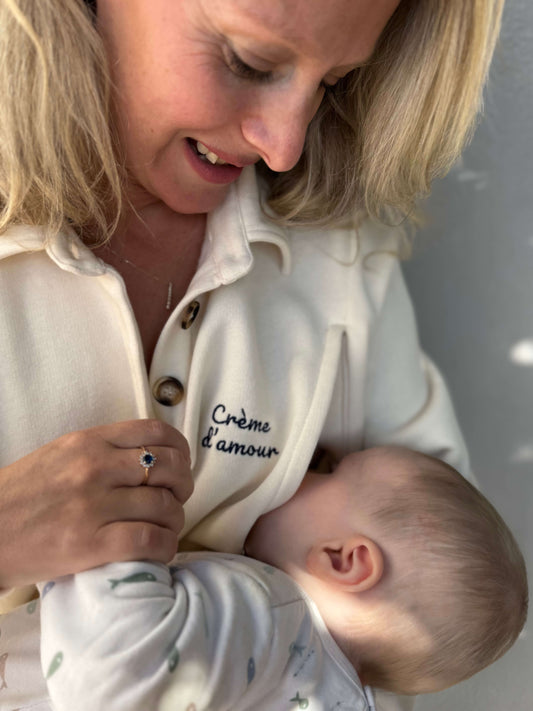
The good news: your milk adapts automatically. An exclusively and sufficiently breastfed baby is generally well-hydrated in hot weather, without needing extra water. Why? Breast milk adapts on demand: it becomes lighter and more water-rich during hot spells. Your body adjusts its formula in real-time. 🤍
The only habit to adopt: breastfeed more often. Baby will naturally ask for the breast more, and this has no impact on their digestion. It's their regulation mechanism—let them do it.
⚠️ Warning signs not to ignore. If baby sleeps abnormally longer or seems "spaced out," it's a warning sign. The most reliable sign? The fontanelle—if it forms a true dip to the touch, it's a sign of dehydration. Consult immediately.
💧 And you, breastfeeding mom?
We often forget: it's YOU who needs to stay hydrated to properly hydrate your baby. 🤍
Always keep a bottle of water nearby during feedings—it's THE perfect time to think about yourself too. Aim for at least 2 to 3 liters per day, and don't wait until you're thirsty.
👗 Dressing smartly during a heatwave
Preferred materials:
- Organic cotton — breathable, soft, ideal for sensitive pregnancy skin
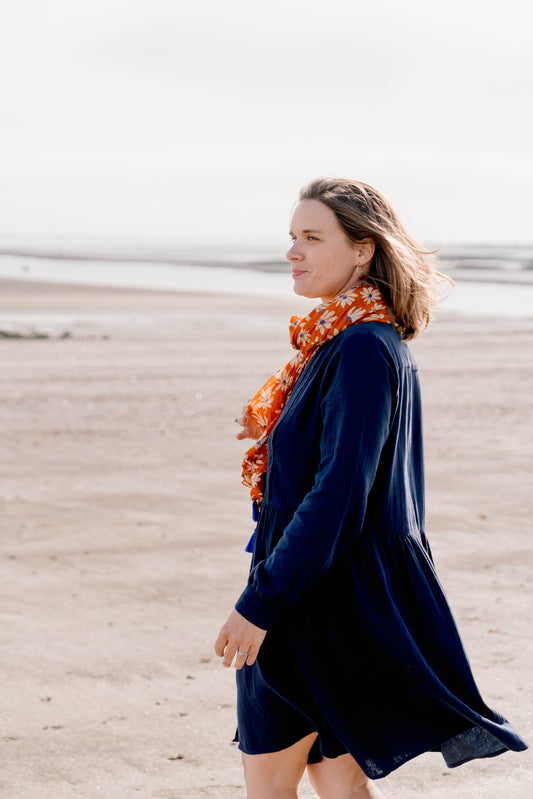
- Linen — excellent thermal regulator, cooler the more it's worn
- Bamboo — ultra-soft, antibacterial, perfect for reactive skin
Materials to avoid:
- Polyester and synthetics — they trap heat and sweat
- Thick denim — difficult to wear in intense heat
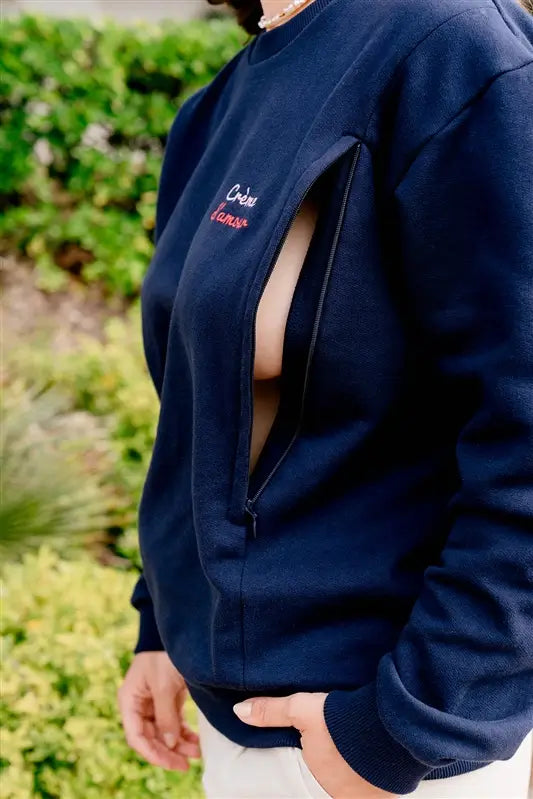
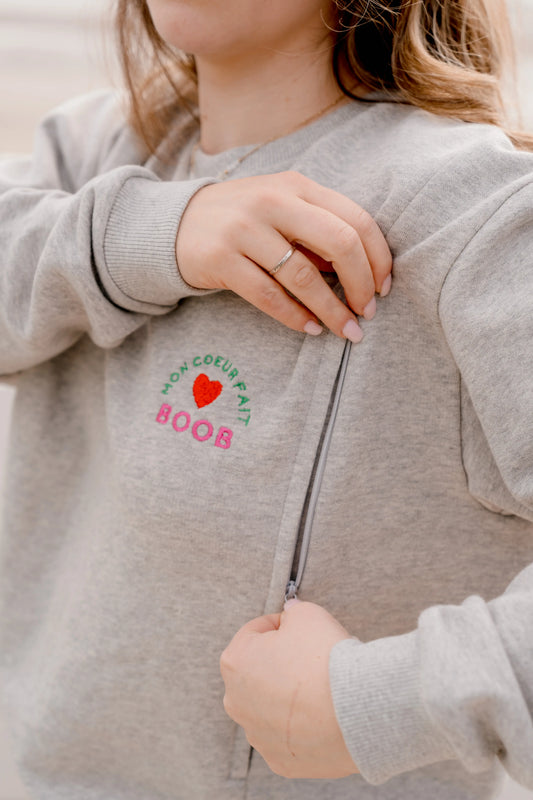
Cuts that make a difference: Loose cuts promote air circulation and allow the skin to breathe. For breastfeeding mothers, nursing clothes designed for summer help you stay covered without overheating—and access the breast easily, even in the middle of summer.
Conclusion
A heatwave requires vigilance, but not panic. By knowing the right habits—hydration, sun protection, suitable clothing, on-demand breastfeeding—you can protect your health and your baby's all summer long.
Do you have questions about our heat-adapted nursing clothes? [Discover the LIMKY summer collection →]